
What Does a Home Inspector Look for on a Roof? A Closer Look at a Real Inspection
When buying a home, it’s easy to focus on the kitchen, bathrooms, flooring, and other features you see every day. But one of the most important parts of the property is right above your head.
A roof inspection in Maryland can reveal concerns that aren’t always visible from the ground, including deteriorating wood, gutter issues, damaged shingles, and potential water intrusion points.
At Hawkeye Home Inspections, we take a closer look at the roofing system to help buyers and homeowners understand its condition and identify areas that may need attention.
During a recent inspection, our team documented several roof components worth discussing. Let’s walk through what these photos show, what we look for, and why these details matter.
1. Deteriorating Wood Along the Roofline
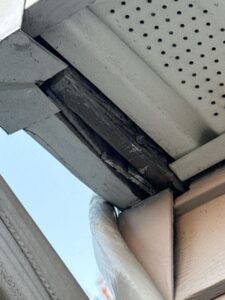
One of the most noticeable concerns in these inspection photos is the exposed, weathered wood near the gutter and soffit.
The wood appears significantly deteriorated, with dark discoloration and visible surface damage.
This area deserves attention because the roof’s edge is particularly vulnerable to moisture exposure.
Potential contributing factors include:
- Water overflowing or leaking from nearby gutters.
- Failed or missing protective trim.
- Repeated exposure to rain and moisture.
- Improperly directed drainage.
Why it matters: Deteriorating wood can worsen over time, potentially affecting adjacent materials and allowing moisture or pests into vulnerable areas.
The exact cause and extent of damage would need further evaluation. Depending on the findings, repairs may involve replacing damaged materials and correcting the underlying moisture source.
2. Gutters and Downspouts: Where Does the Water Go?
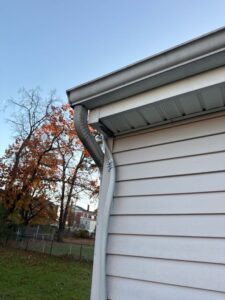
Gutters might not be the most exciting part of a house, but they play an important role in protecting it.
Their job is to collect rainwater from the roof and direct it away from the building.
During a roof inspection, we look at visible gutter and downspout conditions, including:
- Attachment and alignment.
- Signs of sagging, separation, or damage.
- Potential leaks at connections.
- Obstructions that may interfere with drainage.
- Whether downspouts discharge water away from the foundation.
A poorly functioning gutter system can contribute to moisture problems around the roofline, siding, and foundation.
What these photos show: The gutter and downspout arrangement is visible, including a roof-edge area with deteriorated wood. Further inspection would be needed to determine whether gutter drainage contributed to that deterioration.
3. Gutter Wear and the Importance of Maintenance
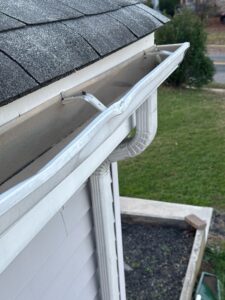
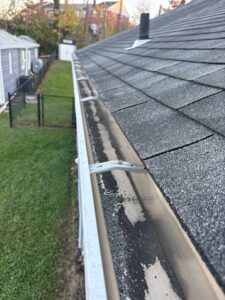
Looking inside the gutters can reveal details that aren’t visible from the yard.
These photos show the gutter interior, mounting brackets, and areas of surface wear or buildup.
During an inspection, we assess accessible sections for signs of damage, accumulated debris, and conditions that could interfere with proper drainage.
Gutter maintenance is especially important in areas with seasonal leaf accumulation, heavy rain, and freezing temperatures.
Homeowners should consider periodically checking their gutters for debris and arranging cleaning or repairs as needed.
Remember: Water needs a clear path off the roof and away from the house. Keeping gutters functional is an important part of protecting the property.
4. Roof Shingles: Looking Beyond the Surface
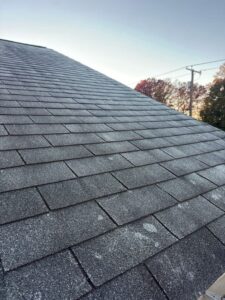
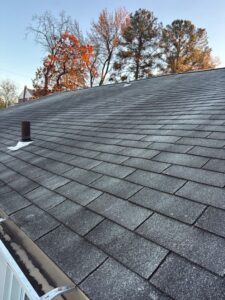
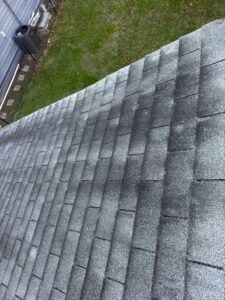
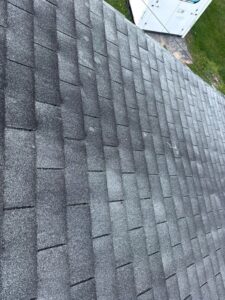
Asphalt shingles are one of the most common roofing materials found on Maryland homes.
Although they may appear relatively simple, there are several conditions inspectors look for when evaluating them.
These include:
- Missing, cracked, torn, or displaced shingles.
- Curling or lifted edges.
- Excessive granule loss.
- Exposed fasteners.
- Visible deterioration or unusual wear.
- Signs of previous repairs.
- Areas where water may not shed properly.
The photos from this inspection show multiple views of the asphalt shingles, allowing us to observe their general appearance and surface condition.
Some areas show differences in coloration and surface appearance. These variations alone don’t establish a roofing defect, but they can warrant closer observation.
Why it matters: Shingles form an important part of the roof’s water-shedding system. When they become damaged or deteriorated, the risk of water intrusion can increase.
A home inspector evaluates visible conditions, but determining a roof’s exact remaining lifespan or identifying every concealed defect is not possible from photographs alone.
5. Roof Penetrations: Small Openings That Deserve Attention
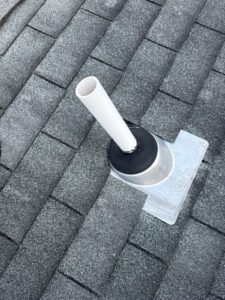
Not every part of a roof is covered by shingles.
Plumbing vents, exhaust outlets, chimneys, and other roof penetrations require properly installed flashing and sealing details to help prevent water intrusion.
In this photo, you can see a plumbing vent pipe extending through the roof, surrounded by a flashing assembly.
During an inspection, we look for visible concerns such as:
- Damaged or deteriorated flashing.
- Cracked or loose sealing boots.
- Exposed or improperly sealed fasteners.
- Gaps around penetrations.
- Signs of previous patching or repairs.
Why it matters: Even a small opening around a roof penetration can become a pathway for moisture if the flashing system fails.
The photographed vent assembly provides a useful example of an area inspectors evaluate. The image alone does not establish that its installation is defective.
6. Why a Roof Inspection Matters Before Buying a Home
A roof can look perfectly fine from the driveway while still having conditions that deserve attention.
That’s why a professional home inspection looks beyond the overall appearance of the house.
Roofing concerns can sometimes lead to:
- Water stains on ceilings or walls.
- Damaged insulation.
- Deteriorated roof decking or framing.
- Mold or moisture-related concerns.
- Unexpected repair expenses.
Identifying visible concerns before closing gives buyers an opportunity to better understand the property’s condition and determine whether additional evaluation or repairs are appropriate.
A home inspection isn’t about expecting every house to be perfect. It’s about knowing what you’re buying.
7. Already Own Your Home? Roof Maintenance Still Matters.
Roof inspections aren’t only useful during a real estate transaction.
Regular maintenance can help homeowners identify concerns before they develop into larger problems.
At Hawkeye Home Inspections, we also offer general home maintenance inspections to help homeowners better understand their property’s condition.
These inspections can be particularly helpful if you’re:
- Planning to sell your home.
- Preparing for seasonal maintenance.
- Concerned about visible wear or deterioration.
- Looking for recommendations on which repairs to prioritize.
- Trying to stay ahead of potentially costly maintenance issues.
For homeowners preparing to sell, identifying visible maintenance concerns early can help you plan repairs before buyers begin scheduling their own inspections.
Why Regular Roof Inspections Matter
Roof conditions can change over time due to weather exposure, aging materials, and normal wear. Routine inspections help identify concerns involving shingles, flashing, gutters, and drainage before they develop into larger problems.
The Asphalt Roofing Manufacturers Association also recommends regular roof evaluations and provides helpful guidance on maintaining residential roofing systems.
Schedule Your Roof and Home Inspection with Hawkeye
Your roof protects everything underneath it, and understanding its condition is an important part of responsible homeownership.
Whether you’re buying, selling, or maintaining your current property, a roof inspection in Maryland as part of a comprehensive home inspection can help identify visible concerns and provide useful information about your home’s condition.
At Hawkeye Home Inspections, we evaluate accessible roofing components, gutters, flashing, penetrations, and other important areas to help you make informed decisions.
We Find What Others Miss.
📞 443-675-6483
Serving Maryland, Delaware, and Pennsylvania.